Berber Housing: Discover the Traditional Homes of Morocco’s Indigenous People
Introduction to Berber Culture and Architecture
Who Are the Berbers? A Glimpse into Morocco’s Indigenous Heritage
Long before Morocco’s cities glowed with the hum of trade and travelers, the Berbers, or Imazighen, were shaping the country’s story with their deep bond to the land. These indigenous people of North Africa have lived across Morocco’s mountains, valleys, and deserts for thousands of years. Their traditions whisper through the stone villages of the Atlas Mountains and echo in the rhythm of drums played under starry desert skies. The story of Berber Housing is not just about architecture — it is a reflection of who these people are: proud, resilient, and eternally connected to nature. Every wall, every wooden beam, and every courtyard tells a story of survival, adaptation, and belonging.
For the Berbers, the home is more than a shelter; it is an expression of identity. Berber Housing reveals the relationship between people and their environment — how they used what the land offered to create comfort, warmth, and harmony. It’s a living testimony to the human spirit’s ability to thrive even in the most challenging landscapes.

The Importance of Home in Berber Life
In Berber culture, the home is sacred. It’s where family life unfolds, where laughter and stories echo beside the warmth of the fire, and where generations come together. Berber Housing is not designed with luxury in mind, but with meaning. Each room serves a purpose, each stone is placed with intention. Homes are built collectively, often with the help of neighbors, symbolizing unity and cooperation — values that define Berber communities.
The interior of a traditional Berber Housing structure reflects this deep sense of togetherness. You’ll often find a central gathering area where family members share meals and guests are warmly welcomed. Hospitality is an essential part of Berber life; offering mint tea or freshly baked bread is not just a gesture of kindness — it’s an expression of honor and pride.
Connection Between Architecture and Nature
Perhaps what makes Berber Housing so fascinating is its perfect harmony with nature. The architecture adapts gracefully to Morocco’s diverse landscapes — from the snow-dusted peaks of the High Atlas to the rolling dunes of the Sahara. Every structure respects the rhythm of the earth. Walls are made from local stone or clay, roofs are flat to collect rainwater or dry grains, and windows are small to protect from the harsh sun or cold winds.
There’s an almost poetic balance between the natural environment and Berber ingenuity. In mountain villages, Berber Housing seems to grow directly from the rocks, as if the land itself decided to give birth to these homes. In the desert, the clay walls blend with the golden sand, creating an illusion of continuity — a reminder that life here is deeply rooted in the elements.
Types of Traditional Berber Houses
The Stone Houses of the Atlas Mountains
In the rugged Atlas Mountains, where the air is crisp and the paths are carved through ancient cliffs, Berber Housing takes the form of sturdy stone houses. These homes are built to withstand the region’s unpredictable weather — cold winters, sudden rains, and blazing summers. Using materials gathered directly from their surroundings, Berber builders construct thick stone walls that hold warmth during winter and keep interiors cool during summer.
Inside, the atmosphere is humble but warm. Handwoven carpets color the floors, wooden ceilings give character to the rooms, and the scent of burning cedar fills the air. Many of these homes are built on steep slopes, often with the stable for animals located on the ground floor, providing both warmth and security. The living areas sit above, facing the valleys, offering breathtaking views of terraced fields and distant peaks. Each Berber Housing in the Atlas tells the story of a family’s endurance, their love for the mountains, and their respect for the natural rhythm of life.
The Adobe (Mudbrick) Homes of the Desert
Traveling south toward the vast Sahara, the landscape transforms — and so does Berber Housing. Here, in the sun-drenched oases and dunes, homes are crafted from a mixture of mud, straw, and clay. Known as ksour or kasbahs, these adobe structures seem almost sculpted from the earth itself. Their thick walls keep the interior cool even under the merciless desert sun.
From afar, these Berber Housing compounds look like miniature fortresses, with towers, arched doorways, and carved wooden details that reflect centuries of craftsmanship. Inside, rooms are arranged around an inner courtyard, which serves as the heart of the home — a quiet refuge filled with plants, laughter, and sometimes a gentle fountain. The walls glow in warm shades of red and ochre, changing color as the sun moves through the sky.
These desert homes are masterpieces of adaptation — proof that simplicity and ingenuity can coexist beautifully.

Caves and Tented Dwellings – Nomadic Traditions
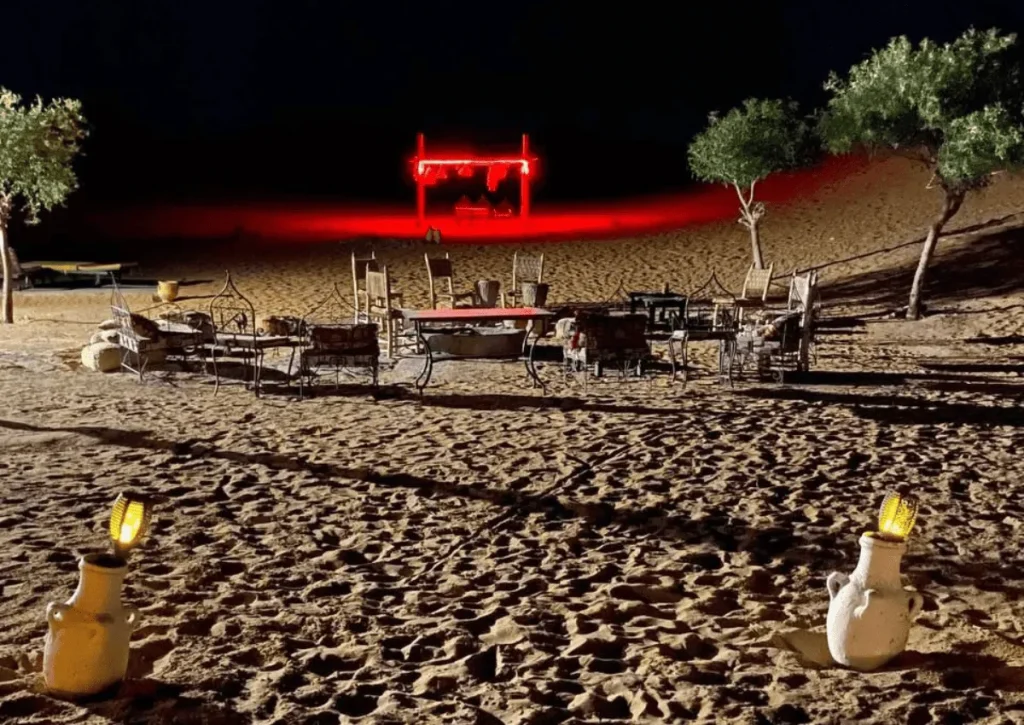
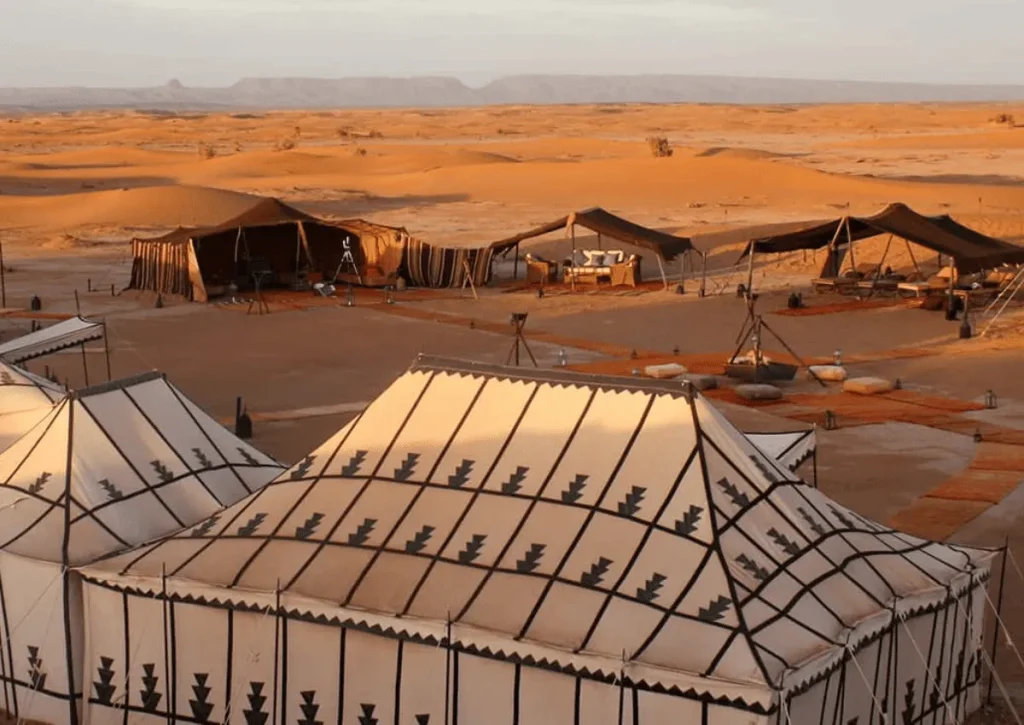
Not all Berbers have fixed homes. Some groups, especially in the southern and eastern parts of Morocco, continue their nomadic traditions, moving with their herds and the seasons. For these families, Berber Housing takes on a more flexible form — tents woven from goat hair, or caves carved into cliffs to escape the heat.
The black tents, often used by the nomadic Ait Atta tribes, are both practical and symbolic. They provide shelter against sandstorms and scorching winds while representing freedom and a deep connection to the open landscape. Cave dwellings, on the other hand, can still be found in parts of the Middle Atlas and Todgha regions. These Berber Housing types show the adaptability of Berber life — the ability to call any part of Morocco’s vast wilderness home.
Urban Adaptations of Berber Architecture Today
As Morocco modernizes, Berber Housing has evolved. In urban areas like Marrakech, Ouarzazate, or Agadir, you’ll still find echoes of traditional design — thick earthen walls, wooden ceilings, and geometric motifs — woven into modern riads and guesthouses. Many architects now draw inspiration from Berber styles, blending old-world charm with contemporary comfort.
These adaptations are not just aesthetic choices; they’re acts of preservation. By keeping Berber Housing elements alive in new constructions, Moroccans honor their roots while welcoming progress. Staying in one of these hybrid homes offers travelers a rare opportunity — to experience the spirit of Berber tradition with the comforts of the modern world.
Design and Structure of a Berber Home
Materials Used – Earth, Stone, and Wood
Every Berber Housing begins with the materials the land provides. In the mountains, stone and wood dominate; in the desert, clay and straw reign supreme. These natural materials are not only sustainable but also blend beautifully with the surroundings. Builders use ancient techniques passed down through generations — mixing mud with straw for strength, binding stones with clay, or supporting ceilings with wooden beams from nearby forests.
This eco-conscious approach makes Berber Housing a model of sustainable architecture long before the term became fashionable. The homes breathe with the environment — cool in summer, warm in winter, and perfectly aligned with the climate’s rhythm.
Interior Layout and Family Spaces
Stepping inside a traditional Berber Housing feels like entering another world. The layout is simple but deeply meaningful. Most homes are built around a central courtyard — the soul of family life. This open-air space is where meals are shared, children play, and guests are welcomed.
The rooms around the courtyard serve specific purposes — sleeping areas, storage for grain or tools, and sometimes a stable for animals. Privacy is important, especially for women, so interior designs often protect family life from outside view. The kitchen, though modest, is the warmest place in the home, with clay ovens and copper pots that reflect generations of culinary tradition.
Roofs, Courtyards, and Decorative Elements
What makes Berber Housing so visually captivating is its attention to detail. Flat roofs are often used as terraces for drying crops or sleeping under the stars during summer nights. The walls are sometimes decorated with hand-carved patterns, symbols, or painted motifs that carry protective or spiritual meanings.
Berber women play a vital role in adding beauty to these spaces. Rugs, pottery, and wall hangings crafted by hand transform plain rooms into vibrant, living galleries. Each pattern tells a story — of love, fertility, or protection — turning Berber Housing into a living piece of art.

How Climate Influences Design
Climate dictates every aspect of Berber Housing design. In the cold mountains, thick walls and small windows retain heat, while in the desert, open courtyards and wind towers promote airflow. This natural intelligence, born from centuries of adaptation, ensures comfort without the need for modern technology.
It’s this harmony between environment and architecture that gives Berber Housing its timeless beauty. These homes are living examples of how humans can thrive with — not against — nature.
Symbolism and Cultural Meaning Behind Berber Housing
Architecture as a Reflection of Community Values
Every Berber Housing structure represents more than craftsmanship — it represents the soul of the community. The act of building a house is communal; neighbors help each other without expecting anything in return. It’s a gesture of solidarity that strengthens the bond between families.
The architecture itself reflects this unity — homes are built close together, forming villages that feel like one big family. Narrow alleys and shared courtyards encourage social connection, reminding everyone that life is richer when lived together.
Traditional Art, Symbols, and Handcrafted Details
Inside and outside every Berber Housing, you’ll find artistic symbols carved or painted into the walls — diamonds, triangles, suns, and zigzags — each carrying meaning. These designs, often drawn from ancient Amazigh beliefs, represent fertility, protection, and harmony.
Berber women, known for their artistry, create rugs, ceramics, and baskets that decorate their homes with pride. Their work doesn’t just add color — it tells stories of ancestry and dreams, turning Berber Housing into a museum of living heritage.
Role of Women in Decorating and Maintaining the Home
In Berber culture, women are the heart of the household. Their touch brings life and color to Berber Housing. From handwoven carpets to embroidered cushions, every object carries their creativity and love. Women also maintain the home, ensuring that its warmth and cleanliness reflect the family’s values.
Their craftsmanship often becomes a form of identity, passed from mother to daughter, keeping traditions alive. In this way, Berber Housing stands as a monument to the quiet strength and artistry of Berber women.

Visiting Authentic Berber Homes with RAKTRIP
Meet Local Families in the Atlas Mountains
With RAKTRIP Travel, visitors can step beyond the usual tourist routes and experience real Berber Housing firsthand. In the Atlas Mountains, you’ll be welcomed into stone-built homes where time seems to slow down. Families open their doors with genuine warmth, eager to share stories of their ancestors and their daily life.
You’ll see how traditional techniques are still used, how bread is baked in clay ovens, and how mountain communities live in harmony with their surroundings. Each visit feels like reconnecting with something pure and timeless.
Experience Berber Hospitality and Daily Life
There is nothing quite like the hospitality found within Berber Housing. The moment you enter, you’re treated not as a guest but as a friend. Mint tea is poured with grace, homemade bread is served, and laughter fills the air. The simplicity of life here has its own luxury — peace, authenticity, and connection.
RAKTRIP creates these intimate encounters with respect for local traditions, ensuring that your visit supports the communities and honors their way of life.
Enjoy Traditional Tea and Home-Cooked Meals in a Berber Village
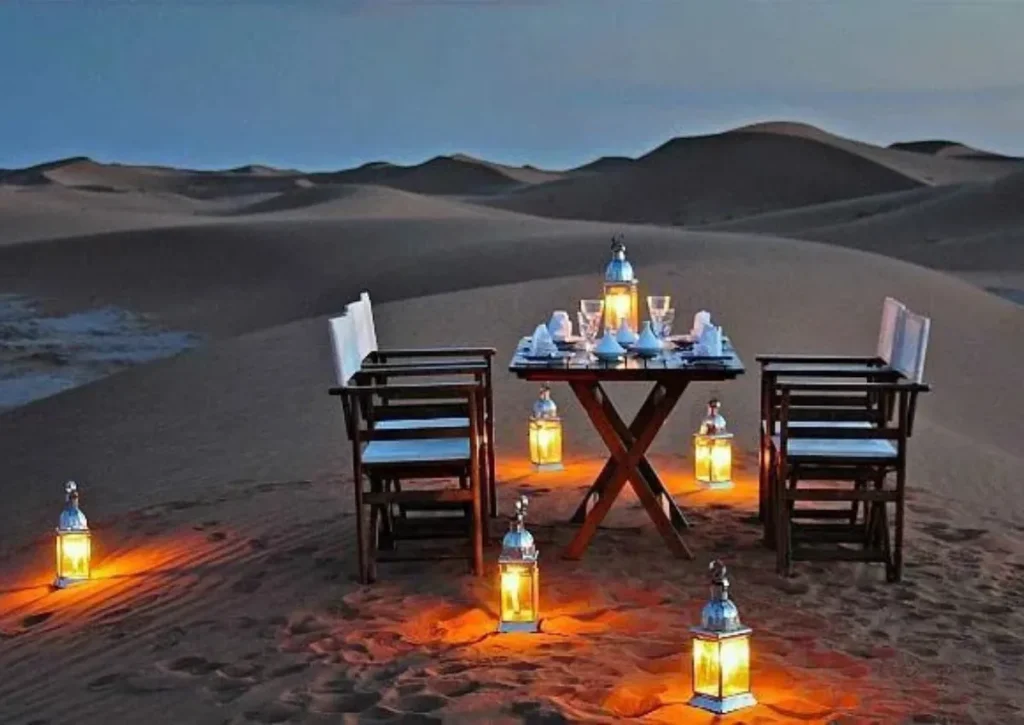
No visit to Berber Housing is complete without sharing a meal. Picture sitting on colorful carpets, surrounded by carved walls, as the scent of tagine fills the air. The meal is not just food — it’s an experience of love and culture.
RAKTRIP organizes these authentic culinary moments where travelers can taste recipes passed down through generations, all while learning the stories behind them. It’s in these moments that the magic of Berber life truly shines.

Why Choose RAKTRIP for Your Berber Housing Experience
Local Expertise and Comfortable Transfers
RAKTRIP understands the beauty and depth of Berber Housing better than anyone. With local drivers and guides who grew up in these regions, every journey becomes a story told from the inside. Whether you’re traveling to the Atlas Mountains or the Sahara, RAKTRIP ensures a smooth, safe, and meaningful adventure.
Tailor-Made Routes and Guided Tours
Each traveler is different, and RAKTRIP designs every experience to reflect that. You can choose to spend a night in a mountain village, visit a desert kasbah, or explore hidden valleys where authentic Berber Housing still thrives. Every route is tailored to your curiosity, your pace, and your sense of wonder.
Authentic Experiences and Fair Prices
RAKTRIP believes that true travel should be genuine, respectful, and fair. Their partnerships with local families mean your visit directly benefits the communities you meet. Through Berber Housing experiences, travelers don’t just see Morocco — they connect with its heart.
Berber Housing stands as one of Morocco’s greatest treasures — a living symbol of harmony between humans and nature, past and present, earth and spirit. Through RAKTRIP’s carefully crafted journeys, travelers discover not only the beauty of traditional architecture but also the warmth of the people who call it home.